


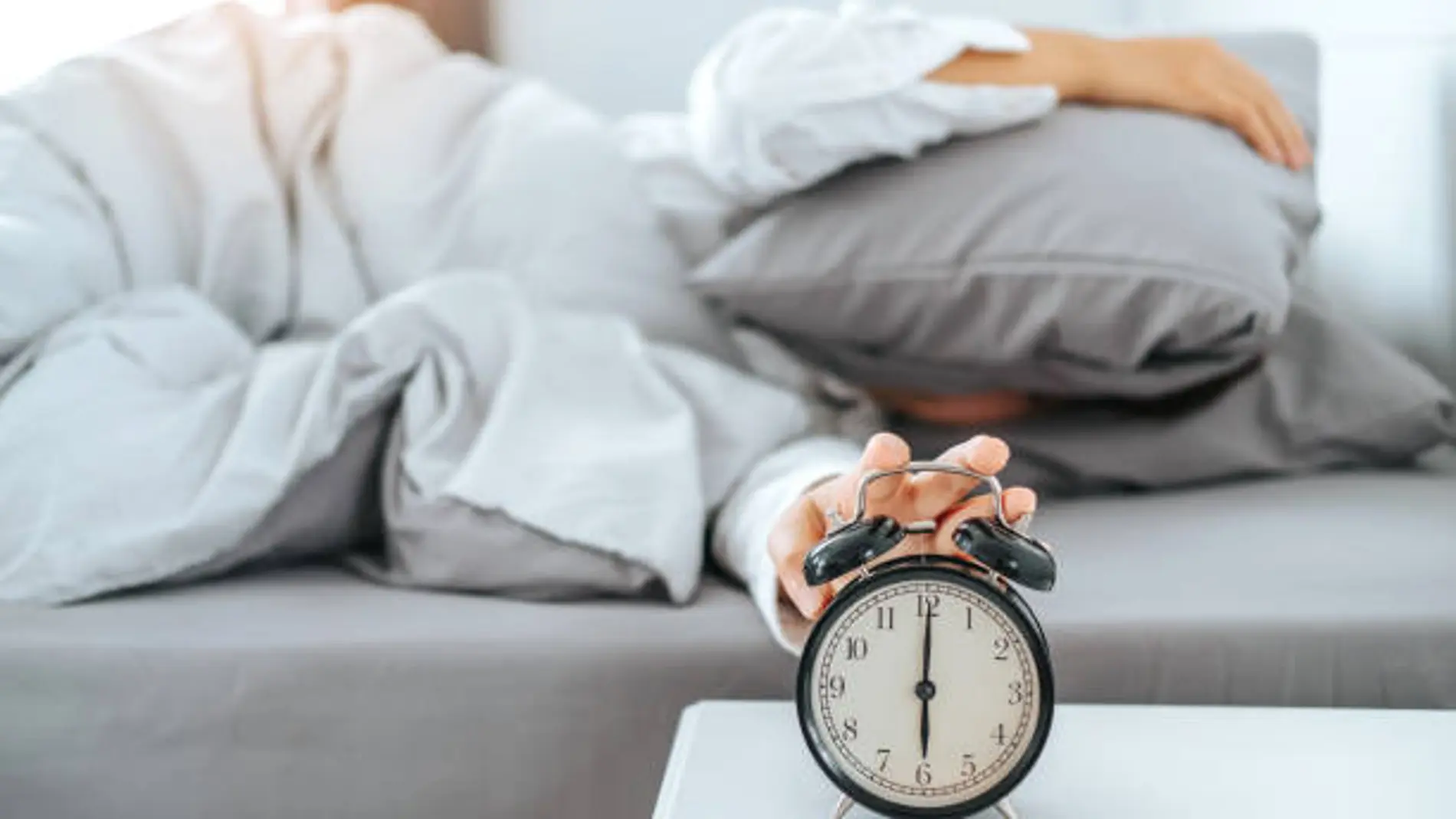
With the arrival of autumn, the rhythm of daily life in Spain and across Europe begins to synchronize with the natural cycles of light. The days shorten perceptibly, mornings become darker, and evenings arrive earlier, an inescapable reminder that the seasons are advancing. This phenomenon, as ancient as the observation of the sky itself, brings with it a tradition that, despite attempts to abolish it, remains firm: the change to winter time. The year 2026 will be no exception, and clocks across the continent will prepare for an adjustment that, while passing unnoticed for many, represents a significant alteration of well-being for others. This practice, rooted in European directives, continues to generate intense debate about its relevance in the 21st century, with Spain at the forefront of voices calling for its definitive abolition.
The Persistence of a European Directive and the Spanish Debate
The decision to change the time twice a year is not a matter of exclusive national will, but is closely linked to the legislation of the European Union. Specifically, the Directive 2000/84/EC of the European Parliament and of the Council, of January 19, 2001, is the legal framework that establishes the rules for all member states. This directive is clear: the end of summer time, and therefore the start of winter time, is set at 1 a.m., Coordinated Universal Time (UTC), of the’last Sunday of October. This means that, for most of mainland Spain and the Balearic Islands, clocks will be set back from 03:00 hours to 02:00 hours. In the Canary Islands, always with a one-hour difference, the change will occur from 02:00 hours to 01:00 hours, making 01:00 hours repeat twice. The night of Saturday, October 24 to Sunday, October 25, 2026 will thus become a day of 25 hours.
Despite the clarity of the directive, the debate over its continuity is more alive than ever. Already in the year 2025, the Government of Spain, under the presidency of Pedro Sánchez, presented a formal request to the European Union to abolish the time change starting from 2026. The reasons put forward by the president were compelling: «Changing the time twice a year no longer makes sense. It barely helps save energy and has a negative impact on people's health and lives.» This statement reflected a growing concern over the obsolescence of a measure that, in its origin, sought to optimize the use of sunlight and reduce energy consumption, especially in times of crisis. However, reality has shown that abolition is not a simple matter. The time change already occurred last March 2026, and everything indicates that it will take place again this October, confirming that the final decision requires a European consensus that has not yet been reached. The European Union, which constantly reviews and updates its directives, such as the one that strengthens its strategy in the face of future migration crises, faces the challenge of harmonizing the positions of its member states on issues with implications as varied as the time change.
The Silent Impact: Health and Biological Clock
Beyond energy or economic arguments, one of the fundamental pillars of the debate surrounding the time change is its impact on people's health and well-being. While many individuals barely notice any alterations, a significant part of the population experiences physiological and psychological effects with the adjustment of clocks. These effects manifest themselves mainly in aspects as fundamental as sleep and appetite, altering the delicate balance of our biological clock or circadian rhythm.
This time «mismatch» affects more acutely those people who maintain very marked and structured daily routines. Those who always wake up at the same time, work, study, or exercise in fixed time slots, or have meals and go to bed at the same time, are the most susceptible to suffering the consequences. For them, setting the clock back an hour is not a simple gesture, but a desynchronization that can lead to a series of uncomfortable symptoms during the days following the change. Among the most common manifestations are’insomnia or difficulty falling asleep, the lack of concentration, an increase in irritability, a low mood or a persistent feeling of fatigue. This symptomatology is surprisingly similar to what we experience with the well-known «jet lag» after a long trip across different time zones, where the body and mind need time to adapt to a new cycle of light and darkness. The government's ability to address these issues, in a context of today's news as diverse as the tensions in Ceuta or the ballot boxes in Germany, highlights the complexity of political management today.
The debate on the time change, therefore, transcends mere time regulation to delve into public health and quality of life issues. The Spanish request for abolition, despite not having succeeded for 2026, has highlighted the need to re-evaluate a practice that many consider anachronistic. While the European Union continues its deliberation, European citizens, and Spaniards in particular, prepare once again for the ritual of turning back the clocks, in the hope that, in the not-too-distant future, the final decision will lean in favor of a stable schedule that respects natural rhythms and everyone's well-being. Until then, the dance of the clock will continue to mark the passing of the seasons.

