


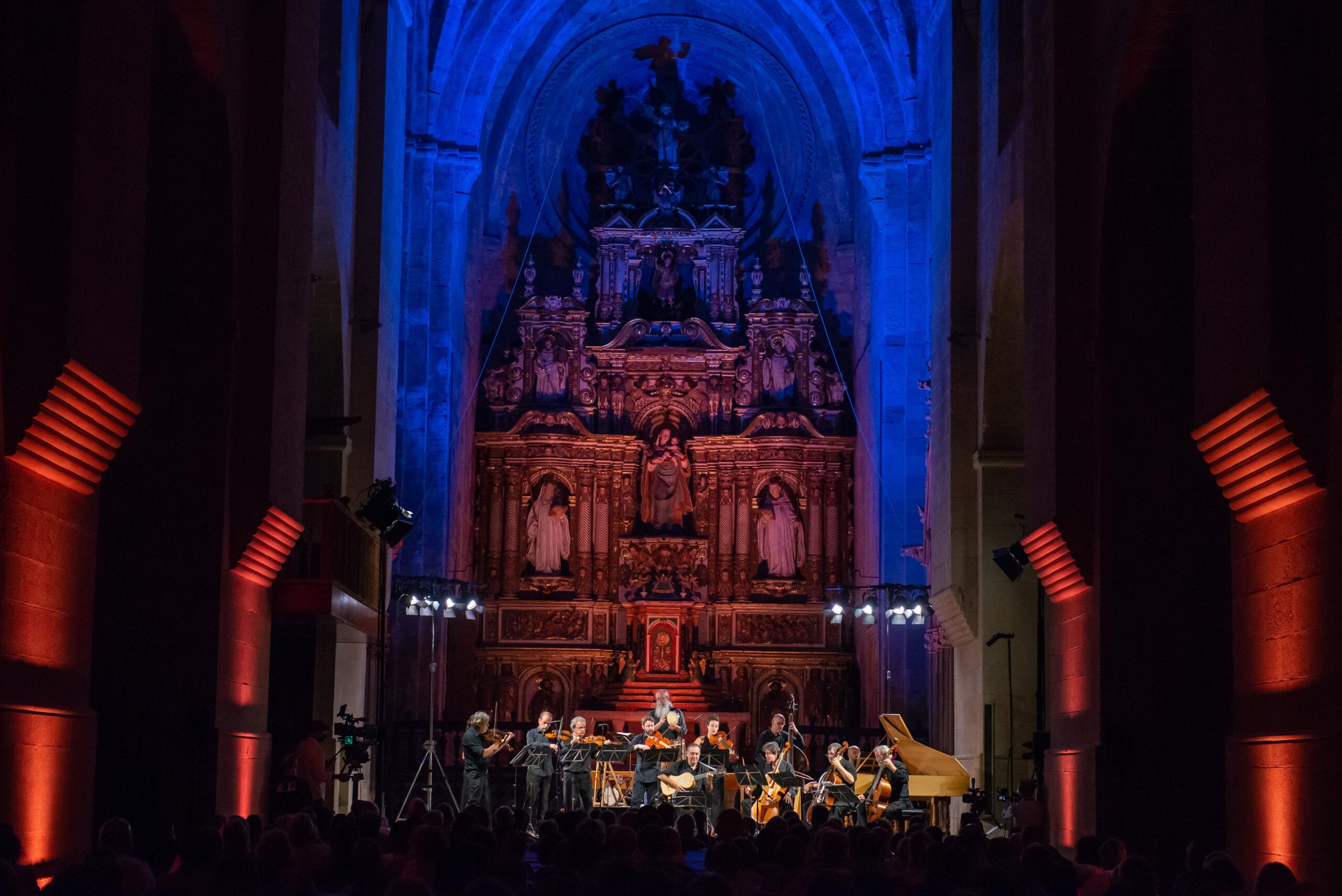
Every summer, the Catalan cultural calendar is filled with proposals that invite people to rediscover the territory. But this year, as of July 5, 2026, the narrative of the’Agència Catalana del Patrimoni Cultural goes beyond the simple invitation to stroll or listen; it proposes an ambitious bid to transform the traditional visit into an immersive experience. The key question is not only «what» is offered, but «why» this intensification of activity at a specific moment, and what real impact it seeks to generate in the long term on the perception and safeguarding of the historical and artistic legacy of Catalonia. Is this a sustainable strategy of revaluation or a seasonal campaign to boost tourism, running the risk of turning culture into a mere product of rapid consumption?
The Silent Clamor of Summer Culture: A Multifaceted Strategy
The summer programming promoted by the’Agència Catalana del Patrimoni Cultural is presented as a compendium of more than a hundred activities covering museums, monuments, archaeological sites, and historical spaces across the country. The proposal promises to go «beyond the traditional visit,» offering concerts within centuries-old walls, guided tours, shows, family activities, immersive experiences, and routes that aim to connect history, landscape, and culture. The guiding thread is clear: experiencing heritage through music, art, gastronomy, archaeology, or nature. This diversification, while attractive, poses the challenge of maintaining depth and quality in each area, avoiding a dilution that could trivialize the intrinsic richness of each discipline. Is it a commitment to cultural democratization or an attempt to capture a broad audience with superficial proposals that do not invite deep reflection? The line is fine, and monitoring the real impact of these «experiences» will be crucial to determining their success beyond temporary attendance.
Tarragona, Epicenter of a Musical and Historical Commitment
The counties of Tarragona position themselves as one of the «great epicenters of the cultural summer,» with a «first-rate» offer that merges music, history, and spirituality in monumental settings. This centrality of Tarragona is not accidental; its density of Roman and medieval heritage makes it a natural pole of attraction. The undisputed protagonist is early music, with a new edition of the Festival Jordi Savall to Royal Monastery of Santes Creus, a l’Alt Camp. This cycle, of recognized international prestige, explicitly focuses on historical memory, dialogue, and peace through «exceptional» concerts. The choice of Jordi Savall, an artist with a career marked by research and the reinterpretation of early music as a vehicle for cultural understanding and reconciliation, gives this section of the programming added value. It is not just a musical event, but a statement of intent about the role that culture can play in building collective narratives and overcoming historical conflicts. But to what extent does this philosophy permeate all of the more than a hundred activities, or is it limited to being a lighthouse in a sea of proposals more oriented towards leisure?
Guided Tours and Immersive Experiences: The Narrative of the Territory
Beyond the major festivals, guided tours and routes take on a «very special» character in the province of Tarragona. The proposal of the Miravet Castle, a la Ribera d'Ebre, which invites visitors to discover the history of the Templars and explore one of the «most impressive fortresses in the country» with views over the river Ebre. This initiative aligns with the desire to connect heritage with the landscape, offering a more contextualized perspective. The mention of a «Charterhouse of E...», despite being truncated in the original source, hints at the inclusion of other monastic gems that complement this vision of a living and dynamic heritage. The key to these routes lies in the quality of the interpretation: do the guides and the proposed narratives manage to go beyond simple historical description to provoke an emotional and intellectual connection with the past? Or are they limited to being an aesthetic tour that does not invite one to see without looking really at the depth of what is observed?
The Challenge of Sustainability and Inclusion in Cultural Management
The ambition of the’Agència Catalana del Patrimoni Cultural to turn summer into a great cultural stage is laudable, but it raises fundamental questions about long-term sustainability and inclusion. What measures are being taken to ensure that access to these more than a hundred activities is not limited to an already initiated public or those with financial capacity? It is crucial to analyze whether this summer commitment translates into continuous investment in the conservation and dissemination of heritage throughout the year, or if the effort is concentrated in a period of maximum tourist influx. The promotion of cultural tourism is an important avenue, and in fact, Catalonia ha destinat 5 milions d’euros to a cultural tourism promotion campaign, a significant figure. But how are these funds distributed? Do they guarantee that the benefits reach local communities, or are they diluted in large events that may sideline the grassroots cultural fabric? The true measure of success will not only be the number of visitors, but the capacity to generate a positive and equitable socioeconomic impact, and to foster a sense of belonging and appreciation of heritage among citizens, beyond the logic of consumption.
The rhetoric of «discovering, traveling without the limitations of schedules, and looking at the territory with different eyes» is attractive, but its reality must be unraveled. The open invitation «both for those on vacation and for those looking for a nearby getaway» points to a smart marketing strategy, but also highlights the challenge of not falling into superficiality. The value of heritage does not lie solely in its capacity for tourist attraction, but in its function as a tool for knowledge, identity, and social cohesion. Culture, in this sense, cannot be a seasonal product, but rather a fundamental pillar for the comprehensive development of the country. The ambition to connect history, landscape, and culture is a noble goal, but it requires rigorous planning, constant investment, and a critical evaluation that transcends promotional press releases to measure the real and lasting impact on Catalan society.
The commitment of the’Agència Catalana del Patrimoni Cultural to a summer of «immersive» culture is a step forward in revitalizing the territory. However, the true success of this strategy will not be measured by the number of concerts or routes offered, nor by immediate attendance figures, but by its capacity to generate a transformative and lasting impact. A critical and ongoing analysis will be needed to ensure that this vision is not limited to a seasonal campaign, but instead becomes a robust and equitable cultural policy. The cultural heritage of Catalonia is a precious asset that deserves management that transcends the logic of tourist consumption to embrace its function as a foundation of identity and collective knowledge. The fundamental question remains: will we manage to go beyond the surface and build a deep and meaningful relationship with our legacy, or will the risk of turning it into a simple summer stage persist? The answer will lie in the coherence of future policies, investment in infrastructure and staff, and the capacity of citizens to demand a culture that is much more than passing entertainment.

