


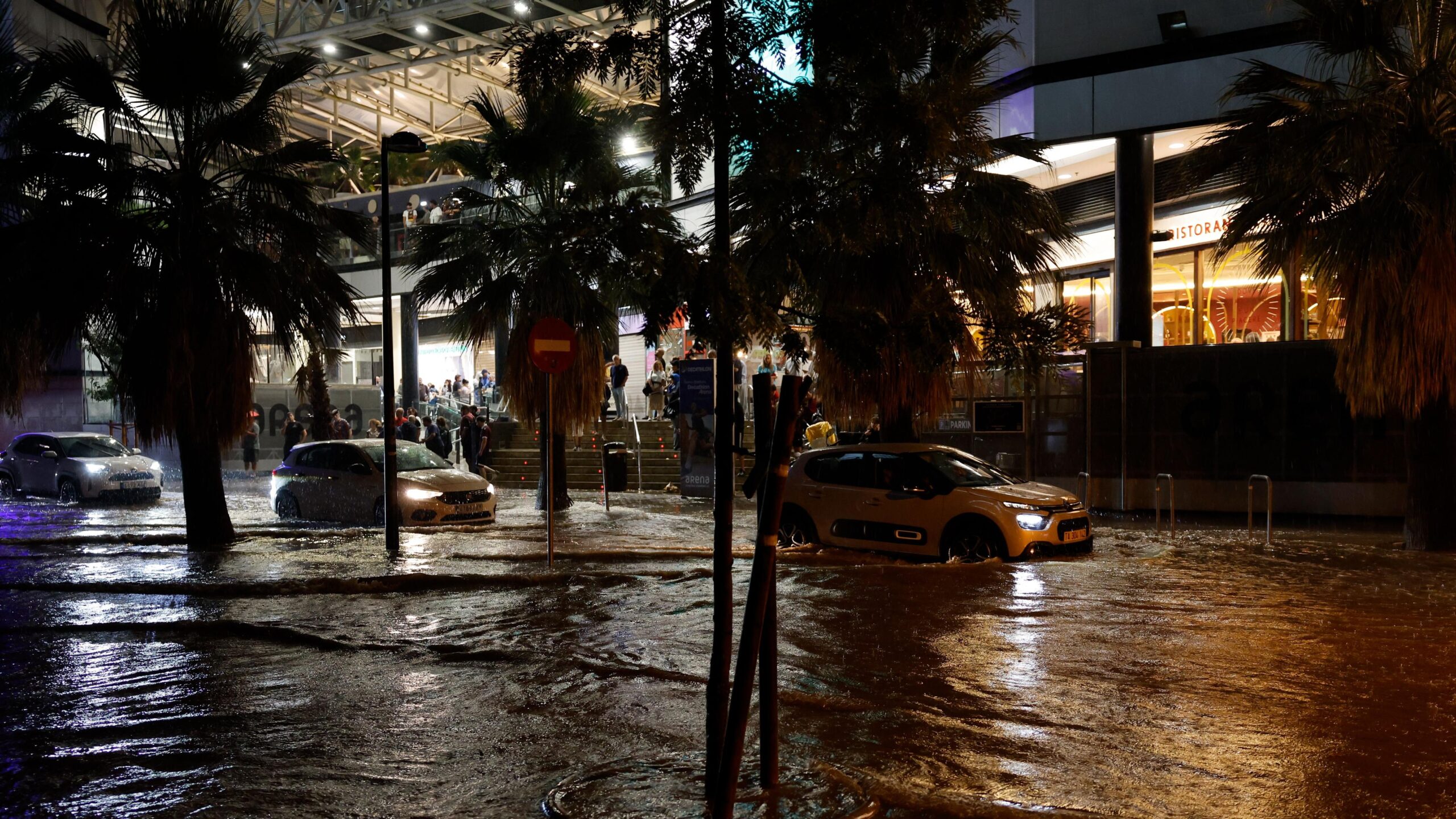
A wave of torrential rains has once again put the infrastructure and security of key regions of the Spanish Mediterranean in check, with València i Barcelona as epicenters of a disturbance that has left a trail of chaos, disruption and, regrettably, loss of life. The scale of the precipitation has once again exceeded the response capacity of urban and transport systems, raising critical questions about the preparedness, long-term planning, and growing vulnerability of our cities to extreme weather events that can no longer be considered exceptions, but part of a new normal. The repetition of scenes of chaos underlines a systemic deficiency that goes beyond simple climatology, pointing to a land management that seems to forget the lessons of the most recent past.
The Human Cost and the Paralysis of Mobility
The day was marked by a cascade of incidents that reveal the fragility of our networks. In València, the network of Metrovalencia was forced to assist numerous passengers trapped in trains affected by the floods, an image that is repeated with worrying frequency. This situation not only generates anxiety and discomfort for thousands of citizens, but also highlights the lack of resilience of an essential service that should be a vital artery in times of crisis, not another victim of the storm.
The most tragic consequence was experienced in Olivella, a la província de Barcelona, where emergency services found the body of the man who had been swept away by an overflowing stream. This fatal event is a poignant reminder of the relentless force of water and the urgent need to review safety protocols and drainage infrastructure in areas at risk of flooding. Meanwhile, the Catalan capital experienced widespread disruption to its transport, with closed roads and delays that collapsed traffic and the routine of millions of people. These episodes of paralysis are not simple inconveniences; they represent substantial economic losses and considerable social wear and tear.
In other parts of the affected geography, the memory of previous disasters reappeared with force. Towns like Paiporta i Aldaia, which still have the fresh scar of the 2024 DANA, relived the fear as accumulations of 60 liters per square meter in just one hour. were recorded. This figure, of extraordinary intensity, illustrates the virulence of current phenomena and the urgent need for structural actions that go beyond specific emergency measures. The recurrence of these events cannot be ignored; it demands urban and territorial planning that anticipates the consequences of climate change and prioritizes the safety of citizens above any other interest.
Systemic Vulnerabilities and the Call for Resilience
Beyond the direct incidents, the rain has exposed a systemic vulnerability that extends across the entire Mediterranean coast. The Region of Múrcia, for example, opted to suspend classes in 15 municipalities, a preventive measure that, while necessary, denotes the severity of the forecasts and the fragility of a frequently battered territory. Similarly, in the province of’Alicante, municipalities like Elche i Santa Pola decreed the cancellation of classes until 15:00 hores and the closure of parks, orchards, gardens, and sports facilities due to the orange alert. These actions, although prudent, reflect the inability of many cities to function normally under adverse weather conditions.
The reported «unusual water accumulations» are the symptom of a deeper problem: the obsolescence or insufficiency of drainage networks, the excessive soil sealing due to urban expansion, and watershed management that does not always take into account changes in precipitation patterns. The analysis of the frequency and intensity of these storms forces us to consider whether we are building cities prepared for the future or if, on the contrary, we are perpetuating development models that make us more fragile. The management of crises of this scale tests the response capacity of administrations, which must face multiple fronts, from public safety to emergency coordination, often while other complex social and political challenges such as the migration crisis in Ceuta also demand constant attention and significant resources. This multi-factor pressure underlines the importance of resilient and adaptive governance.
La inversió en infraestructures verdes, la revisió dels plans urbanístics per afavorir la permeabilitat del sòl i la implementació de sistemes d’alerta primerenca més eficients són passos ineludibles. No es tracta només de reparar els danys després de cada temporal, sinó de construir una resiliència estructural que minimitzi l’impacte d’esdeveniments futurs. La repetició d’aquestes situacions ens obliga a questionar la visió a llarg termini de les nostres autoritats i la seva priorització en un context on els fenòmens extrems són cada cop més habituals. La inoperància o la lentitud en l’adaptació tindran un cost cada vegada més elevat, tant en vides humanes com en danys materials i en la pròpia cohesió social. La capacitat de les autoritats per gestionar aquests esdeveniments, en un context de reptes creixents, incloent-hi la complexa gestió de la crisi migratòria, és un indicador clar de la seva eficàcia i preparació global.
Aquest darrer episodi de pluges torrencials a València i Barcelona no és un incident aïllat, sinó un crit d’alerta. La recurrència i intensitat dels fenòmens meteorològics extrems exigeixen una reavaluació profunda de les nostres estratègies de planificació urbana, gestió del territori i inversió en infraestructures. No n’hi ha prou amb lamentar els danys o activar protocols d’emergència; cal una visió a llarg termini que prioritzi la resiliència, l’adaptació al canvi climàtic i la protecció de la vida i el benestar dels ciutadans. La passivitat davant aquesta realitat emergent no és una opció; el cost de la inacció ja és massa alt i seguirà augmentant si no s’aborden amb decisió les vulnerabilitats sistèmiques que cada nova tempesta posa cruelment al descobert. La responsabilitat recau sobre els nostres dirigents, que han de demostrar una capacitat de previsió i actuació que fins ara sembla insuficient per a l’escala del repte.

