


The Government of Spain has once again activated a funding package of 20 milions d’euros in direct subsidies to various entities in Catalonia, keeping alive an initiative that was already started by Miquel Iceta under the concept of Barcelona's «cultural capital status». This is the sixth consecutive call for these grants, which since 2021 have injected a total of 120 million euros into cultural projects in the Condal City, with a «hand-picked» award system protected by an agreement from the era Zapatero que Pedro Sánchez recovered with Ada Colau.
Political continuity and opacity in communication
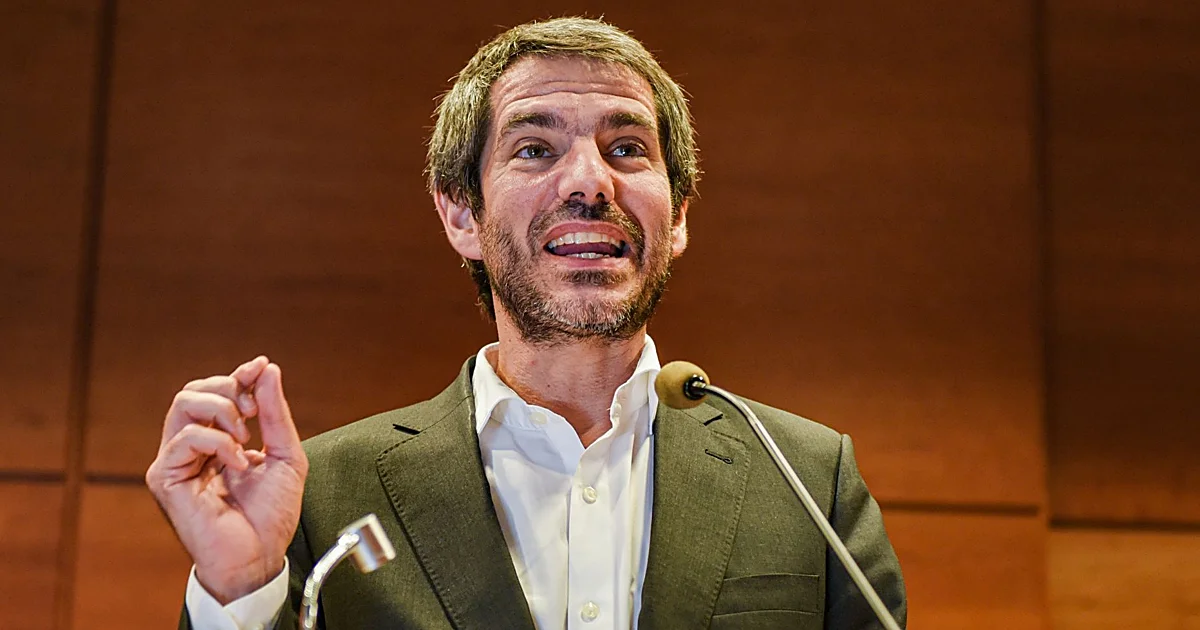
The official announcement was made by the spokesperson of the Executive, Elma Saiz, during the press conference following the Council of Ministers, although neither the Ministry of Culture released any official note nor Ernest Urtasun made any reference to the funds on his social networks. The head of Sumar did choose Bluesky to explain the housing crisis measures and recorded content for TikTok i Instagram to present what he described as an’«historic package of measures». This indirect communication strategy contrasts with the political importance of the economic deployment, especially at a time when Urtasun's department has to face challenges such as the recognition of Jordi Clos, new honorary academician of the Royal Catalan Academy of Fine Arts of Sant Jordi, or the preparation of major events such as Park Güell which joins La Mercè 2026 with a great show of music, dance, and Catalan culture.
49 lines of aid and the issue of museum thefts
According to the objectives set out by the executive, the 49 subsidy lines aim to «financially support relevant cultural projects and initiatives to foster the city's cultural ecosystem, its social and economic impact, and extend its collaboration networks to the whole country.» The grants cover institutions, facilities, creation and exhibition, festivals, heritage, books and reading, science, and local programs. However, Urtasun has so far avoided adopting a national plan to tackle the wave of museum thefts, an omission that draws criticism from conservative sectors and questions the administration's capacity to respond to crimes affecting artistic heritage.
Public investment and debate on Catalan culture
The figure of 120 million accumulated over three years brings to the table a broader debate on the role of the State in the cultural funding of Catalonia, especially in a context where entities such as the Coordinating Committee of Human Tower Builders demand that the Parliament give popular culture its own voice in the new cultural rights law, and where voices like that of Aitana defend Catalan as an essential pillar of territorial identity. With culture turned into the axis of political and social debates, these additional 20 million represent both an opportunity to consolidate Barcelona as a cultural beacon and a test to measure the executive's real willingness to provide financial stability to a sector facing structural challenges, from safeguarding heritage to citizen access to the arts.
A model of direct subsidies under the shadow of the housing crisis
The fact that Urtasun has been more active on platforms like Bluesky talking about the housing crisis than announcing this cultural funding package highlights the priorities of an executive trying to balance investment in territorial identity and urgent social needs. The decision to maintain these «hand-picked» grants, without the competitive bidding common in other departments, fuels the debate on transparency in public management, while Barcelona prepares the stages for a 2026 where culture must simultaneously be a vehicle for tourism, a political argument, and a social good. The question is whether these 20 million will serve to consolidate a resilient ecosystem or simply to maintain the status quo of a model that depends on the political will of the moment.

